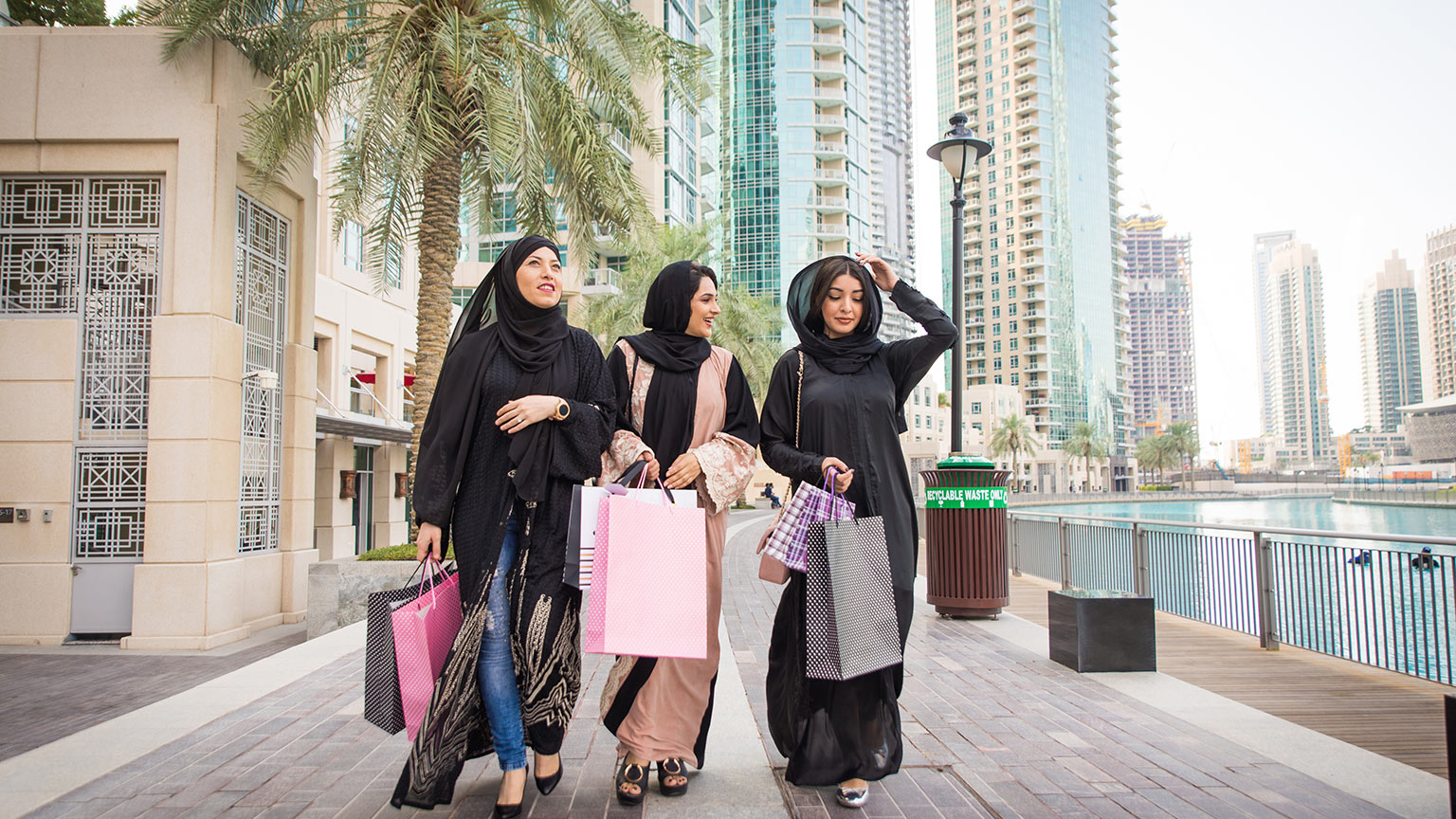
When Tourists Slow Down, Residents Become Your Growth Strategy
When Tourists Slow Down, Residents Become Your Growth Strategy
When Tourists Slow Down, Residents Become Your Growth Strategy
Blog
When Tourists Slow Down, Residents Become Your Growth Strategy
Created by RAW Marketing
Published on April 02, 2026
Dubai brands are used to thinking big. Bigger audiences. Bigger seasons. Bigger waves of tourist demand.
But moments like this force a smarter question:
What happens when international demand softens, but local demand stays active?
The answer is simple: your growth strategy has to move closer to home.
Current UAE reporting already shows that residents are shifting toward staycations, road trips, neighborhood dining, and local experiences as travel confidence changes. At the same time, restaurants and cafés are saying resident footfall is helping offset the tourist slowdown, while domestic hotel interest is rising. (Gulf News)
That means Dubai is not empty. It means demand is being redistributed.
And for brands in hospitality, F&B, wellness, and retail, that is not bad news. It is a signal to adapt.
The audience didn’t disappear. The mindset changed.
One of the biggest mistakes brands make in uncertain periods is reading softer tourism as softer demand overall. But the UAE remains one of the most connected consumer markets in the world, with 99.0% internet penetration and social media user identities equivalent to 100% of the population by DataReportal’s methodology, according to a recent Dubai digital trends report. In other words, the audience is still highly reachable.
What has changed is not presence. It is a priority.
Residents are still spending, but they are spending differently:
closer to home,
with more intention,
with more attention to value,
and with a stronger pull toward familiarity, convenience, and small moments of escape.
That shift matters because it changes what good marketing looks like.
Tourist-first marketing won’t carry every brand right now
For years, many Dubai brands built communications around the same playbook: luxury visuals, aspirational experiences, broad seasonal offers, and messaging designed for the visitor mindset.
That still works when tourism is strong.
But when resident demand starts doing more of the heavy lifting, brands need to pivot from “look at us” marketing to “this is for you, right now” marketing.
We are already seeing signs of that adjustment. UAE hotels are promoting staycation packages for residents, while Gulf News reports stronger domestic hotel searches and local hospitality demand during periods of travel uncertainty. Dubai’s 2026 Retail Calendar also continues to position the city around events for families, residents, and visitors, not tourists alone. (Gulf News)
The takeaway is clear:
If your audience becomes more local, your marketing must become more relevant.
This does not mean “discount everything”
Let’s clear something up.
Pivoting toward residents does not mean sounding desperate. It does not mean flooding the market with discount codes. And it definitely does not mean weakening your brand.
The strongest brands in Dubai right now are not the cheapest. They are the clearest.
They understand that residents do not always need a lower price. Sometimes they need:
easier access,
more flexible timing,
a more useful offer,
a more familiar message,
or a reason to choose local over postponing the decision.
That is a very different strategy from panic discounting.
What this looks like in practice
For hospitality brands, this could mean shifting from tourist-led dream imagery to local reset messaging: a weekend escape, a family break, a last-minute staycation, or a “no flights required” offer that feels timely without being fear-based. Current reporting already shows local hotel demand strengthening around staycation behavior. (Gulf News)
For F&B brands, this could mean leaning into neighborhood loyalty, community, stable pricing, comfort, and repeat occasions. Gulf News reports that community-based cafés and restaurants are drawing resident footfall and helping stabilize the sector. (Gulf News)
For wellness brands, this could mean repositioning offers around stress relief, recovery, self-care, and convenience. In uncertain moments, people may delay big purchases but still look for smaller, emotionally rewarding ones.
For retail brands, it could mean swapping generic promotions for resident-focused moments: bundles, local perks, shopping tied to city events, or timely offers around upcoming long weekends and the Dubai retail calendar. Dubai DET’s 2026 calendar and current holiday coverage show there are still strong local demand windows to build around. (Dubai Department of Economy & Tourism)
Media spend should follow behavior, not old assumptions
This is where many brands hesitate.
They know the audience has shifted, but their media strategy still follows last quarter’s assumptions.
If residents are spending more time in local routines, then the media mix should reflect that:
more geo-targeted campaigns,
more Arabic and bilingual relevance where needed,
more community creators,
more neighborhood-level targeting,
more mobile-first creative,
and more campaigns tied to practical behavior rather than broad awareness alone.
A digitally saturated market like the UAE rewards brands that stay present when others pull back. If reach remains high and the audience remains active online, going quiet can become a bigger risk than staying visible.
The smartest offers right now are not louder. They are sharper.
The brands that will win this moment are the ones that understand the emotional state of the market.
People do not always want “luxury.” Sometimes they want:
easy
nearby
familiar
flexible
and worth it.
That is where strong offer design matters.
Not “50% off everything.” But:
resident-exclusive packages
off-peak value
family bundles
loyalty boosts
flexible bookings
weekday escape offers
or hyperlocal incentives tied to convenience.
That approach protects brand value while still converting demand.
Dubai has not stopped moving forward
There is another reason this topic matters.
The broader UAE operating environment remains resilient. Authorities have said the country is built to absorb shocks, while major ports and logistics corridors continue operating. That matters because it supports business continuity, consumer confidence, and a commercial environment where brands can keep serving, selling, and communicating. (Gulf News)
So this is not a “pause everything” moment.
It is a read-the-room-properly moment.
Dubai brands do not need to abandon ambition. They need to reframe it.
RAW Marketing UAE’s take
When tourists slow down, residents do not become your backup plan.
They become your most immediate growth strategy.
The brands that gain ground now will be the ones that:
stay visible
sound relevant
design smarter offers
and shift their spend toward the audience that is actually here.
Because demand in Dubai has not disappeared. It has simply moved closer.
And the brands that recognize that early will not just protect relevance. They will build momentum while others are still waiting for things to “go back to normal.”
In this market, the opportunity is not in standing still.
It is in understanding where attention has gone, and meeting it there.
Blog
When Tourists Slow Down, Residents Become Your Growth Strategy
Created by RAW Marketing
Published on April 02, 2026
Dubai brands are used to thinking big. Bigger audiences. Bigger seasons. Bigger waves of tourist demand.
But moments like this force a smarter question:
What happens when international demand softens, but local demand stays active?
The answer is simple: your growth strategy has to move closer to home.
Current UAE reporting already shows that residents are shifting toward staycations, road trips, neighborhood dining, and local experiences as travel confidence changes. At the same time, restaurants and cafés are saying resident footfall is helping offset the tourist slowdown, while domestic hotel interest is rising. (Gulf News)
That means Dubai is not empty. It means demand is being redistributed.
And for brands in hospitality, F&B, wellness, and retail, that is not bad news. It is a signal to adapt.
The audience didn’t disappear. The mindset changed.
One of the biggest mistakes brands make in uncertain periods is reading softer tourism as softer demand overall. But the UAE remains one of the most connected consumer markets in the world, with 99.0% internet penetration and social media user identities equivalent to 100% of the population by DataReportal’s methodology, according to a recent Dubai digital trends report. In other words, the audience is still highly reachable.
What has changed is not presence. It is a priority.
Residents are still spending, but they are spending differently:
closer to home,
with more intention,
with more attention to value,
and with a stronger pull toward familiarity, convenience, and small moments of escape.
That shift matters because it changes what good marketing looks like.
Tourist-first marketing won’t carry every brand right now
For years, many Dubai brands built communications around the same playbook: luxury visuals, aspirational experiences, broad seasonal offers, and messaging designed for the visitor mindset.
That still works when tourism is strong.
But when resident demand starts doing more of the heavy lifting, brands need to pivot from “look at us” marketing to “this is for you, right now” marketing.
We are already seeing signs of that adjustment. UAE hotels are promoting staycation packages for residents, while Gulf News reports stronger domestic hotel searches and local hospitality demand during periods of travel uncertainty. Dubai’s 2026 Retail Calendar also continues to position the city around events for families, residents, and visitors, not tourists alone. (Gulf News)
The takeaway is clear:
If your audience becomes more local, your marketing must become more relevant.
This does not mean “discount everything”
Let’s clear something up.
Pivoting toward residents does not mean sounding desperate. It does not mean flooding the market with discount codes. And it definitely does not mean weakening your brand.
The strongest brands in Dubai right now are not the cheapest. They are the clearest.
They understand that residents do not always need a lower price. Sometimes they need:
easier access,
more flexible timing,
a more useful offer,
a more familiar message,
or a reason to choose local over postponing the decision.
That is a very different strategy from panic discounting.
What this looks like in practice
For hospitality brands, this could mean shifting from tourist-led dream imagery to local reset messaging: a weekend escape, a family break, a last-minute staycation, or a “no flights required” offer that feels timely without being fear-based. Current reporting already shows local hotel demand strengthening around staycation behavior. (Gulf News)
For F&B brands, this could mean leaning into neighborhood loyalty, community, stable pricing, comfort, and repeat occasions. Gulf News reports that community-based cafés and restaurants are drawing resident footfall and helping stabilize the sector. (Gulf News)
For wellness brands, this could mean repositioning offers around stress relief, recovery, self-care, and convenience. In uncertain moments, people may delay big purchases but still look for smaller, emotionally rewarding ones.
For retail brands, it could mean swapping generic promotions for resident-focused moments: bundles, local perks, shopping tied to city events, or timely offers around upcoming long weekends and the Dubai retail calendar. Dubai DET’s 2026 calendar and current holiday coverage show there are still strong local demand windows to build around. (Dubai Department of Economy & Tourism)
Media spend should follow behavior, not old assumptions
This is where many brands hesitate.
They know the audience has shifted, but their media strategy still follows last quarter’s assumptions.
If residents are spending more time in local routines, then the media mix should reflect that:
more geo-targeted campaigns,
more Arabic and bilingual relevance where needed,
more community creators,
more neighborhood-level targeting,
more mobile-first creative,
and more campaigns tied to practical behavior rather than broad awareness alone.
A digitally saturated market like the UAE rewards brands that stay present when others pull back. If reach remains high and the audience remains active online, going quiet can become a bigger risk than staying visible.
The smartest offers right now are not louder. They are sharper.
The brands that will win this moment are the ones that understand the emotional state of the market.
People do not always want “luxury.” Sometimes they want:
easy
nearby
familiar
flexible
and worth it.
That is where strong offer design matters.
Not “50% off everything.” But:
resident-exclusive packages
off-peak value
family bundles
loyalty boosts
flexible bookings
weekday escape offers
or hyperlocal incentives tied to convenience.
That approach protects brand value while still converting demand.
Dubai has not stopped moving forward
There is another reason this topic matters.
The broader UAE operating environment remains resilient. Authorities have said the country is built to absorb shocks, while major ports and logistics corridors continue operating. That matters because it supports business continuity, consumer confidence, and a commercial environment where brands can keep serving, selling, and communicating. (Gulf News)
So this is not a “pause everything” moment.
It is a read-the-room-properly moment.
Dubai brands do not need to abandon ambition. They need to reframe it.
RAW Marketing UAE’s take
When tourists slow down, residents do not become your backup plan.
They become your most immediate growth strategy.
The brands that gain ground now will be the ones that:
stay visible
sound relevant
design smarter offers
and shift their spend toward the audience that is actually here.
Because demand in Dubai has not disappeared. It has simply moved closer.
And the brands that recognize that early will not just protect relevance. They will build momentum while others are still waiting for things to “go back to normal.”
In this market, the opportunity is not in standing still.
It is in understanding where attention has gone, and meeting it there.
Blog
When Tourists Slow Down, Residents Become Your Growth Strategy
Created by RAW Marketing
Published on April 02, 2026
Dubai brands are used to thinking big. Bigger audiences. Bigger seasons. Bigger waves of tourist demand.
But moments like this force a smarter question:
What happens when international demand softens, but local demand stays active?
The answer is simple: your growth strategy has to move closer to home.
Current UAE reporting already shows that residents are shifting toward staycations, road trips, neighborhood dining, and local experiences as travel confidence changes. At the same time, restaurants and cafés are saying resident footfall is helping offset the tourist slowdown, while domestic hotel interest is rising. (Gulf News)
That means Dubai is not empty. It means demand is being redistributed.
And for brands in hospitality, F&B, wellness, and retail, that is not bad news. It is a signal to adapt.
The audience didn’t disappear. The mindset changed.
One of the biggest mistakes brands make in uncertain periods is reading softer tourism as softer demand overall. But the UAE remains one of the most connected consumer markets in the world, with 99.0% internet penetration and social media user identities equivalent to 100% of the population by DataReportal’s methodology, according to a recent Dubai digital trends report. In other words, the audience is still highly reachable.
What has changed is not presence. It is a priority.
Residents are still spending, but they are spending differently:
closer to home,
with more intention,
with more attention to value,
and with a stronger pull toward familiarity, convenience, and small moments of escape.
That shift matters because it changes what good marketing looks like.
Tourist-first marketing won’t carry every brand right now
For years, many Dubai brands built communications around the same playbook: luxury visuals, aspirational experiences, broad seasonal offers, and messaging designed for the visitor mindset.
That still works when tourism is strong.
But when resident demand starts doing more of the heavy lifting, brands need to pivot from “look at us” marketing to “this is for you, right now” marketing.
We are already seeing signs of that adjustment. UAE hotels are promoting staycation packages for residents, while Gulf News reports stronger domestic hotel searches and local hospitality demand during periods of travel uncertainty. Dubai’s 2026 Retail Calendar also continues to position the city around events for families, residents, and visitors, not tourists alone. (Gulf News)
The takeaway is clear:
If your audience becomes more local, your marketing must become more relevant.
This does not mean “discount everything”
Let’s clear something up.
Pivoting toward residents does not mean sounding desperate. It does not mean flooding the market with discount codes. And it definitely does not mean weakening your brand.
The strongest brands in Dubai right now are not the cheapest. They are the clearest.
They understand that residents do not always need a lower price. Sometimes they need:
easier access,
more flexible timing,
a more useful offer,
a more familiar message,
or a reason to choose local over postponing the decision.
That is a very different strategy from panic discounting.
What this looks like in practice
For hospitality brands, this could mean shifting from tourist-led dream imagery to local reset messaging: a weekend escape, a family break, a last-minute staycation, or a “no flights required” offer that feels timely without being fear-based. Current reporting already shows local hotel demand strengthening around staycation behavior. (Gulf News)
For F&B brands, this could mean leaning into neighborhood loyalty, community, stable pricing, comfort, and repeat occasions. Gulf News reports that community-based cafés and restaurants are drawing resident footfall and helping stabilize the sector. (Gulf News)
For wellness brands, this could mean repositioning offers around stress relief, recovery, self-care, and convenience. In uncertain moments, people may delay big purchases but still look for smaller, emotionally rewarding ones.
For retail brands, it could mean swapping generic promotions for resident-focused moments: bundles, local perks, shopping tied to city events, or timely offers around upcoming long weekends and the Dubai retail calendar. Dubai DET’s 2026 calendar and current holiday coverage show there are still strong local demand windows to build around. (Dubai Department of Economy & Tourism)
Media spend should follow behavior, not old assumptions
This is where many brands hesitate.
They know the audience has shifted, but their media strategy still follows last quarter’s assumptions.
If residents are spending more time in local routines, then the media mix should reflect that:
more geo-targeted campaigns,
more Arabic and bilingual relevance where needed,
more community creators,
more neighborhood-level targeting,
more mobile-first creative,
and more campaigns tied to practical behavior rather than broad awareness alone.
A digitally saturated market like the UAE rewards brands that stay present when others pull back. If reach remains high and the audience remains active online, going quiet can become a bigger risk than staying visible.
The smartest offers right now are not louder. They are sharper.
The brands that will win this moment are the ones that understand the emotional state of the market.
People do not always want “luxury.” Sometimes they want:
easy
nearby
familiar
flexible
and worth it.
That is where strong offer design matters.
Not “50% off everything.” But:
resident-exclusive packages
off-peak value
family bundles
loyalty boosts
flexible bookings
weekday escape offers
or hyperlocal incentives tied to convenience.
That approach protects brand value while still converting demand.
Dubai has not stopped moving forward
There is another reason this topic matters.
The broader UAE operating environment remains resilient. Authorities have said the country is built to absorb shocks, while major ports and logistics corridors continue operating. That matters because it supports business continuity, consumer confidence, and a commercial environment where brands can keep serving, selling, and communicating. (Gulf News)
So this is not a “pause everything” moment.
It is a read-the-room-properly moment.
Dubai brands do not need to abandon ambition. They need to reframe it.
RAW Marketing UAE’s take
When tourists slow down, residents do not become your backup plan.
They become your most immediate growth strategy.
The brands that gain ground now will be the ones that:
stay visible
sound relevant
design smarter offers
and shift their spend toward the audience that is actually here.
Because demand in Dubai has not disappeared. It has simply moved closer.
And the brands that recognize that early will not just protect relevance. They will build momentum while others are still waiting for things to “go back to normal.”
In this market, the opportunity is not in standing still.
It is in understanding where attention has gone, and meeting it there.

Let’s Work Together to Elevate Your Brand
Our team is here to help you transform your digital presence. Get in touch with us to discuss how we can create bespoke solutions that drive results.

Delivering innovative marketing solutions that maximize brand growth and customer engagement.
Sarah building - 2nd Floor
43 2nd St - Al Garhoud - Dubai
Delivering innovative marketing solutions that maximize brand growth and customer engagement.
Sarah building - 2nd Floor
43 2nd St - Al Garhoud - Dubai
Let’s Work Together to Elevate Your Brand
Our team is here to help you transform your digital presence. Get in touch with us to discuss how we can create bespoke solutions that drive results.
Delivering innovative marketing solutions that maximize brand growth and customer engagement.
Sarah building - 2nd Floor
43 2nd St - Al Garhoud - Dubai
Delivering innovative marketing solutions that maximize brand growth and customer engagement.
Sarah building - 2nd Floor
43 2nd St - Al Garhoud - Dubai
Let’s Work Together to Elevate Your Brand
Our team is here to help you transform your digital presence. Get in touch with us to discuss how we can create bespoke solutions that drive results.
Delivering innovative marketing solutions that maximize brand growth and customer engagement.
Sarah building - 2nd Floor
43 2nd St - Al Garhoud - Dubai